










No products in the cart.


Compare your existing lighting with energy-efficient LED alternatives and see your estimated running costs and yearly savings.
Lighting can make a big difference to the comfort of your home or business, but older bulbs can use more electricity than needed. Use our simple energy calculator to compare your current lighting with modern LED alternatives and see your estimated running costs, savings and payback time.
Enter your current bulb wattage, LED replacement wattage, number of lights and daily usage. The calculator will estimate your current yearly cost, new LED running cost and potential savings.
Estimate running costs and compare potential savings when switching to LED lighting.
Figures are estimates only. Actual energy usage and cost may vary depending on the electricity supplier, tariff, installation and product specification.
Important note:
This calculator provides an estimate only. Actual costs may vary depending on your electricity supplier, unit rate, daily usage and the type of lighting installed.
LED lighting is one of the easiest ways to reduce electricity usage without compromising on brightness or style. Whether you are replacing bulbs in a home, showroom, office, garden or commercial space, LED options can help lower running costs while providing reliable everyday performance.
LED bulbs use less electricity while still providing bright, reliable light for everyday use.
Quality LED bulbs last longer, helping reduce replacement costs and ongoing maintenance.
Choose from warm white, cool white, dimmable, vintage and decorative LED options.
Ideal for homes, gardens, showrooms, offices, displays and commercial lighting areas.
Many people still choose bulbs by wattage, but wattage only tells you how much power a bulb uses. Brightness is measured in lumens. When replacing older bulbs, it is better to compare the lumen output so you get the right level of brightness while using less energy.
| Brightness | Old Incandescent | Halogen | CFL | LED |
|---|---|---|---|---|
| 470 lumens | 40W | 29W | 9W | 4W |
| 806 lumens | 60W | 42W | 14W | 7W |
| 1521 lumens | 100W | 72W | 23W | 10W |
| GU10 spotlight | 50W | 50W | - | 5W |
Figures are approximate and may vary depending on the specific bulb, brand, light output and fitting type.
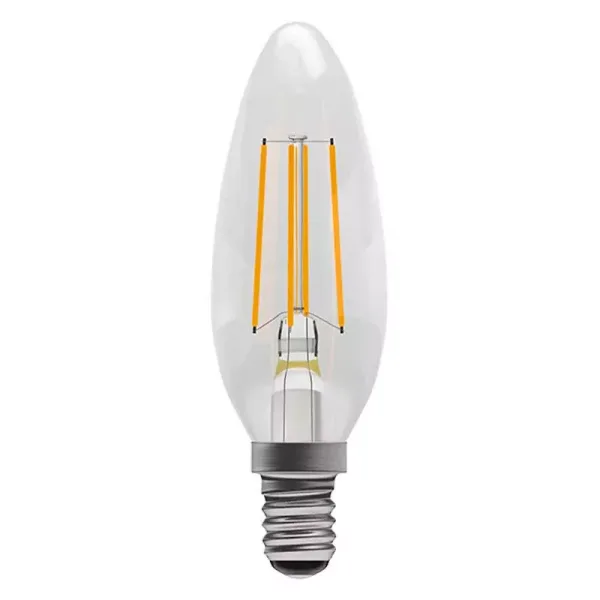
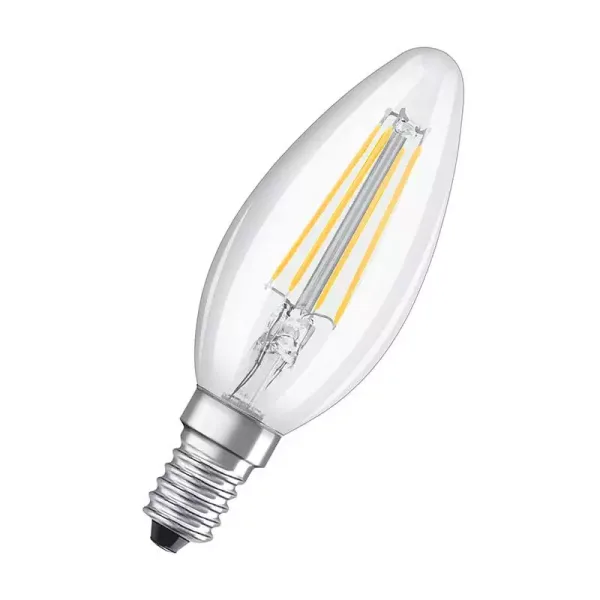
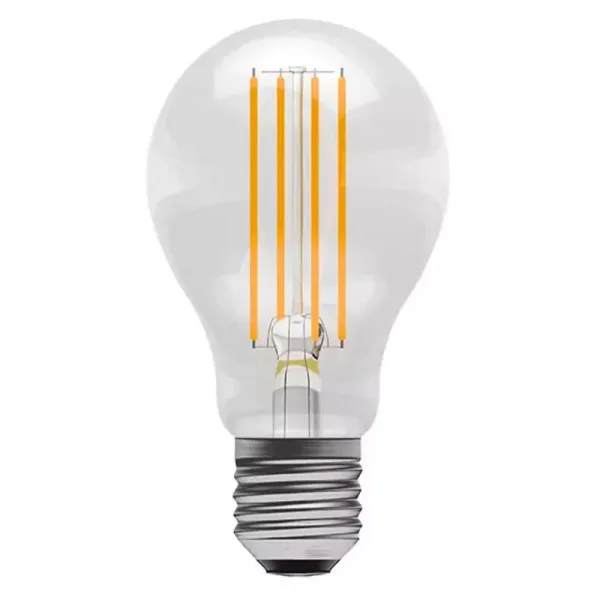
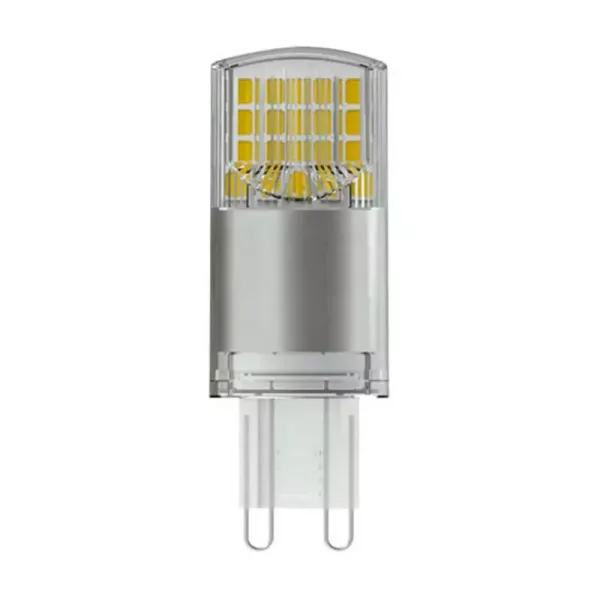
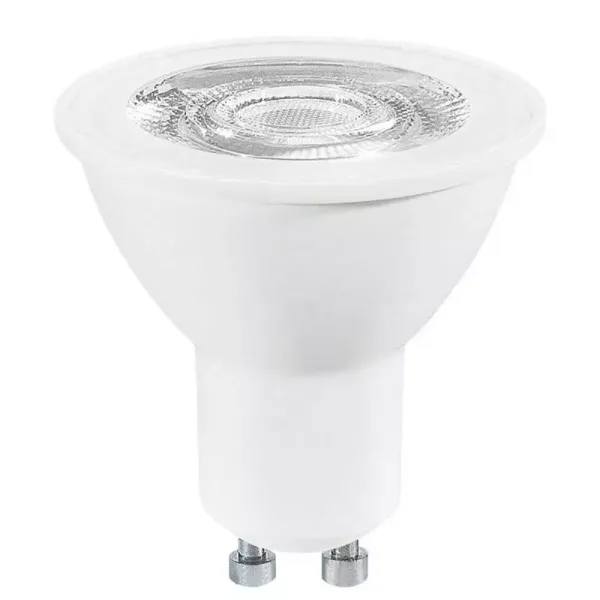
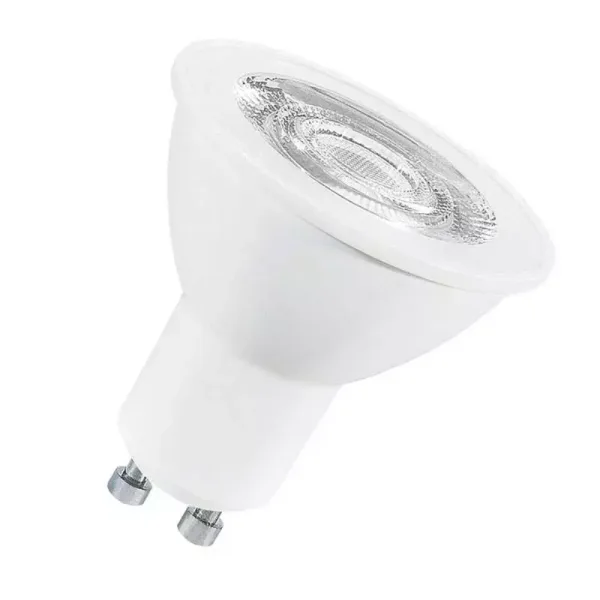
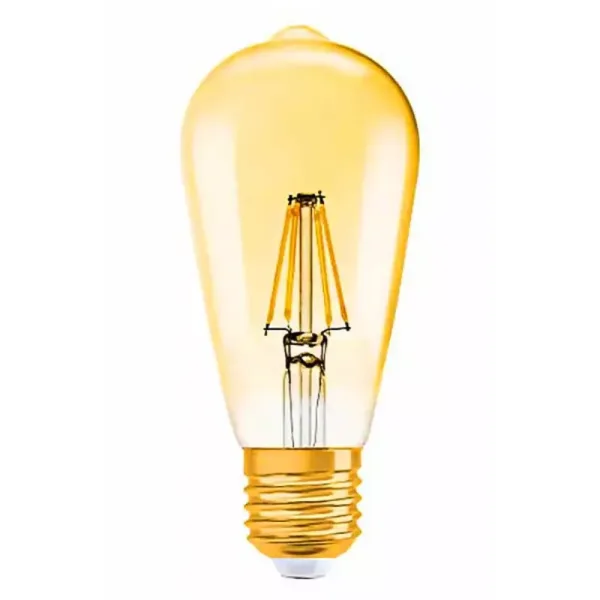
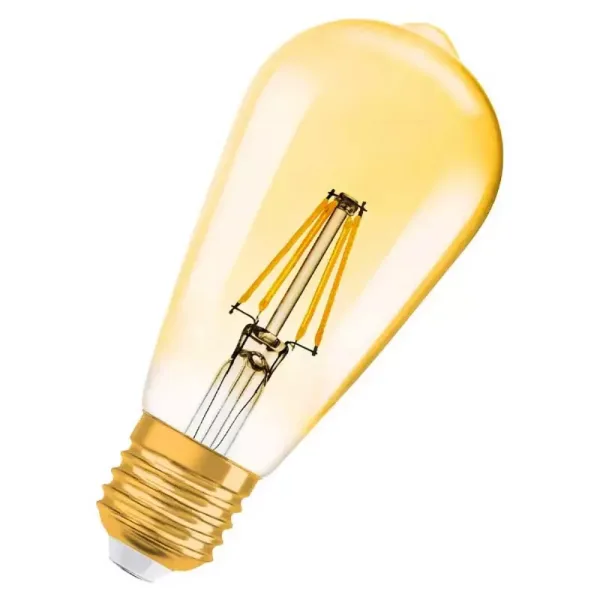
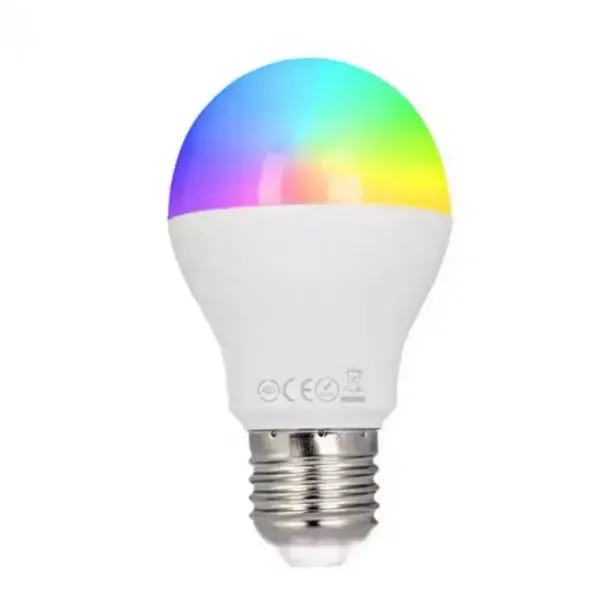
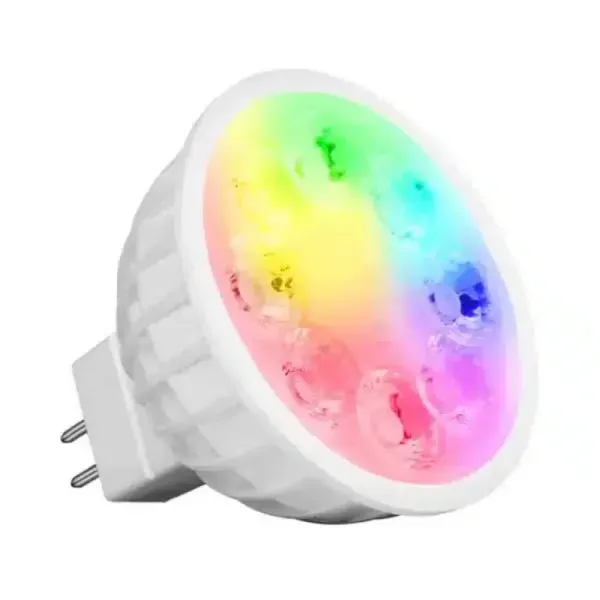
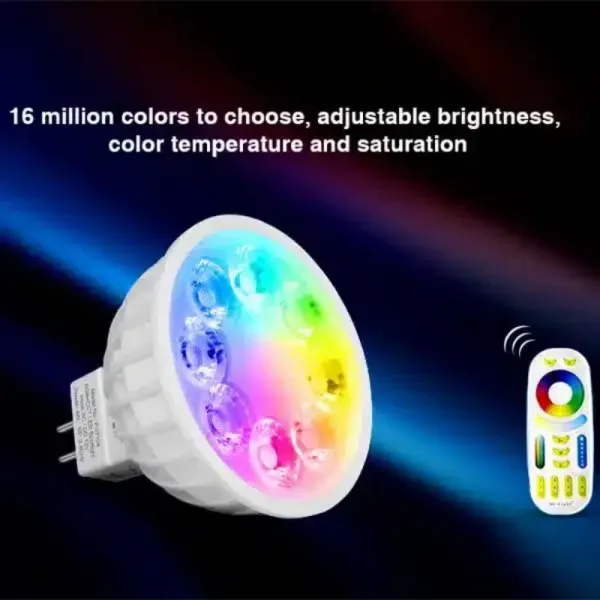
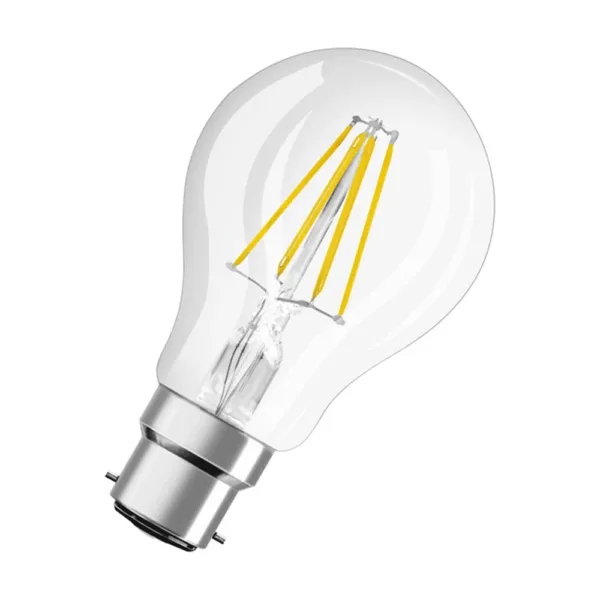
LED bulbs are available in a wide range of cap types, wattages, colour temperatures and styles. Browse a small selection of popular LED bulbs below, or view our full LED bulb range to find the right option for your fitting.
Not sure which wattage, cap type, colour temperature or dimmable option you need? Our lighting team can help you choose the right LED bulb or fitting for your home, garden or business.
Get help choosing the correct cap type, wattage and fitting style.
Find the right warm white, cool white or decorative lighting tone.
Choose suitable LED bulbs for homes, gardens and commercial spaces.
Find quick answers about lighting running costs, LED savings, bulb wattage and choosing the right energy-efficient lighting.
To calculate the running cost, multiply the bulb wattage by the number of hours used, convert watts to kilowatts and multiply by your electricity unit rate. Our calculator does this automatically and shows estimated running costs and savings.
Yes, LED bulbs usually use much less electricity than older incandescent or halogen bulbs. This can help reduce your energy costs, especially when lights are used for long hours or across multiple rooms.
Watts measure how much electricity a bulb uses, while lumens measure brightness. When replacing an older bulb, compare lumens to make sure you get the right brightness while using less energy.
Use the unit rate shown on your electricity bill. This is usually listed as a cent per kWh rate. If you are not sure, you can enter an approximate rate and update it later for a more accurate estimate.
Yes, the calculator can be used for homes, shops, offices, showrooms, displays and other commercial spaces. Enter the number of lights and daily usage hours to estimate your lighting running costs.
Switching to LED bulbs can reduce the electricity used by your lighting. The actual saving depends on your current bulbs, how many lights you replace, how long they are used and your electricity unit rate.
We use cookies to improve your experience, analyse website use and support marketing. You can accept, reject or manage your choices.